
Supporting the common good. Keeping our country grounded.
We model the behavior that we see. If the leaders of our country are not being attentive to the common good, why should we??
That, I think, is part of today’s scenario. My observation is that there is a degree of lawlessness that appears to have become more prevalent. Mentioning such infractions may seem petty; complaining about people driving recklessly, tossing trash out the window as one is driving,… the list goes on. Whether small or large, as in the increased crimes of fraud and deceit, particularly among elected officials and people of wealth, all of this works against creating and sustaining the common good. Ripping off our neighbor or fellow citizen weakens the bonds of society so vital to a healthy neighborhood and community.
One of the infringements, law breaking acts, that really puts me in orbit are developers who build shoddy apartments often for low-income families who have very little recourse to fight back. In May 2025, we St. Louisans experienced a devastating tornado that swept through a large swath of our city, destroying hundreds of homes. Yes, there were large numbers of volunteers who stepped right up to help and continue to volunteer, but there were also the “scum bugs” who took advantage of very vulnerable people; took their money and did not complete the repairs for which they had been paid. We’re trying to rebuild and they come behind us, tearing it down. Is this a new problem? No. There have always been men and women who have no problem taking advantage of others. The “it’s all about me” club; profit over people. We have opted to make our individual liberties a priority over the collective safety and wellbeing of the whole of our country.
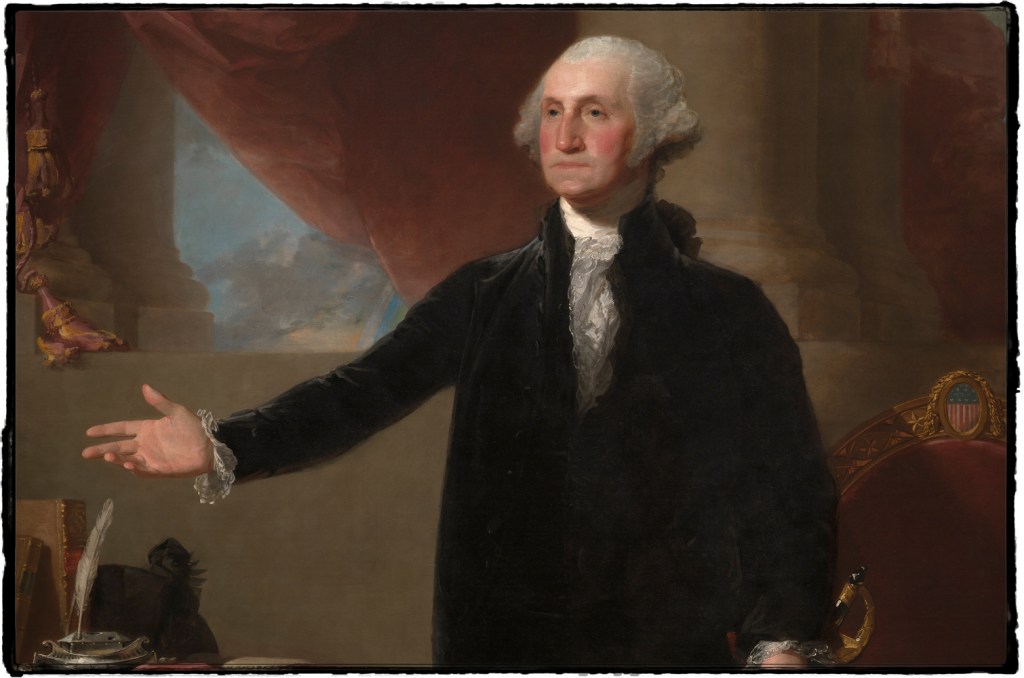
Rewind to our first President, George Washington. President Washington, when in his youth – approximately 14-16 years of age – copied down what we now refer to as his “Rules of Civility.” Historians do not believe that Washington created the list himself. Rather, they were based on a book of etiquette originally composed by French Jesuits in 1595. The text Washington copied was likely an English translation by Francis Hawkins published around 1640.*
The point is that Washington abided by these 110 maxims throughout his life. Washington’s ability to lead the Revolutionary troops as well as lead our country is most likely due to his commitment and discipline to follow rules of civility. Washington’s list consists of 110 rules.
I am only going to share a few with you as a reminder that as we celebrate the 250th anniversary of the founding of our country, we need to reclaim rules of civility and a commitment to our common well-being. We go forward together or we do not go forward.
We can choose to model positive behavior to counteract and outdo the negative behavior, thus strengthening our country, and continue to be a beacon of hope. Building walls, deporting law-abiding residents, widening the economic gap between the excessively wealthy and the poor are not behaviors that build community; kindness, generosity, and common sense will.
As well as George Washington’s “Rules of Civility,” the language is somewhat stilted by our current standards, and gender exclusive; women and people of color were not included in the maxims themselves but that does not mean that women and enslaved persons were necessarily treated poorly by Washington.** Below is a clip of some of the 110 Rules of Civility.
1. Every action done in company ought to be with some sign of respect, to those who are present.
21. Reproach none for the infirmities of nature, nor delight to put them that have in mind thereof.
22. Show not yourself glad at the misfortune of another though he were your enemy.
43. Do not express joy before one sick or in pain for that contrary passion will aggravate his misery.
48. Wherein you reprove another be unblameable yourself; for example is more prevalent than precepts.
49. Use no reproachful language against any one, neither curse nor revile.
50. Be not hasty to believe flying reports to the disparagement of any.
63. A man ought not to value himself of his achievements, or rare qualities of wit; much less of his riches, virtue, or kindred.
68. Give not advice without being asked and when desired, do it briefly.
89. Speak not evil of the absent; for it is unjust.
And lastly 110, and my favorite:
110. Labor to keep alive in your breast that little spark of celestial fire called conscience.
May peace and civility be restored in our own country and throughout the world.
Happy 250th Anniversary, America, land that I love!
Bridget
* George Washington’s “Rules of Civility” can be found in various places. I came across them when reading Amor Towles’ 2011 novel, Rules of Civility.
** Regarding George Washington and slavery: George Washington held slaves throughout his life. However, Washington’s views evolved over his life. He deeply disliked the institution by the end of his days. In his will, he stipulated that the 123 enslaved people he personally owned were to be freed after the death of his wife, Martha. Furthermore, the will provided lifelong financial support for his formerly enslaved workers who were elderly or too sick to work, and education in reading, writing, and trades for orphaned children (summary from “The Presidential Papers of George Washington,”Presidential Library, Mt. Vernon.)


Bridget,
Your tribute to George Washington’s writings and what he did for his slaves after his wife died was amazing, great for the 250th celebration of our country. Your message so well said. Everyone definitely needs to be reminded of those early words of wisdom. Thank you for sharing and caring enough to get the Good Word out there. I value your writings and reflection. I always learn something from your Blog you send. Thank you!
Mary Lou
LikeLike